Threads of Being Yoga & Ayurveda
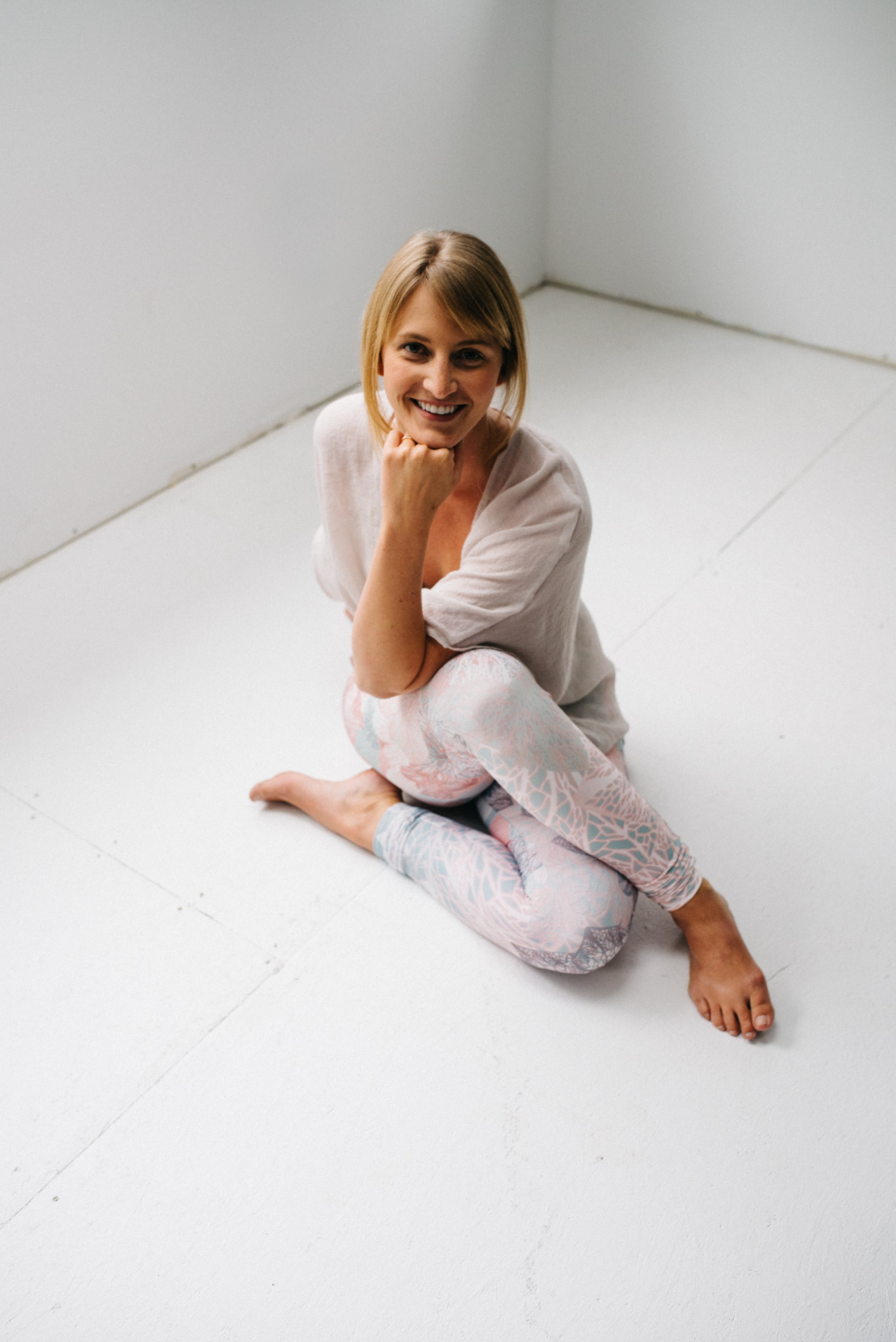
Morgan is a Yoga educator and researcher whose work integrates Ayurveda, Samkhya Yoga, and Daoyin into a pedagogy to support trauma resilience and recovery. Grounded in a Deep Ecology framework, her teaching emphasizes the reciprocal relationship between human bodies and more-than-human systems, engaging food, herbal medicine, seasonal rhythms, and contemplative movement as sites of therapeutic and ethical inquiry. Morgan’s offerings foreground embodied self-study, relational accountability, and nervous system regulation, positioning Yoga as both a contemplative discipline and a socially responsive practice. Morgan is an experienced registered Yoga teacher (RYT) & education provider with Yoga Alliance as well as a registered Yoga school and Level 3 teacher with American Yoga Council. She is also a certified Ayurvedic practitioner who specializes in lifestyle practices for healing from stress and trauma.


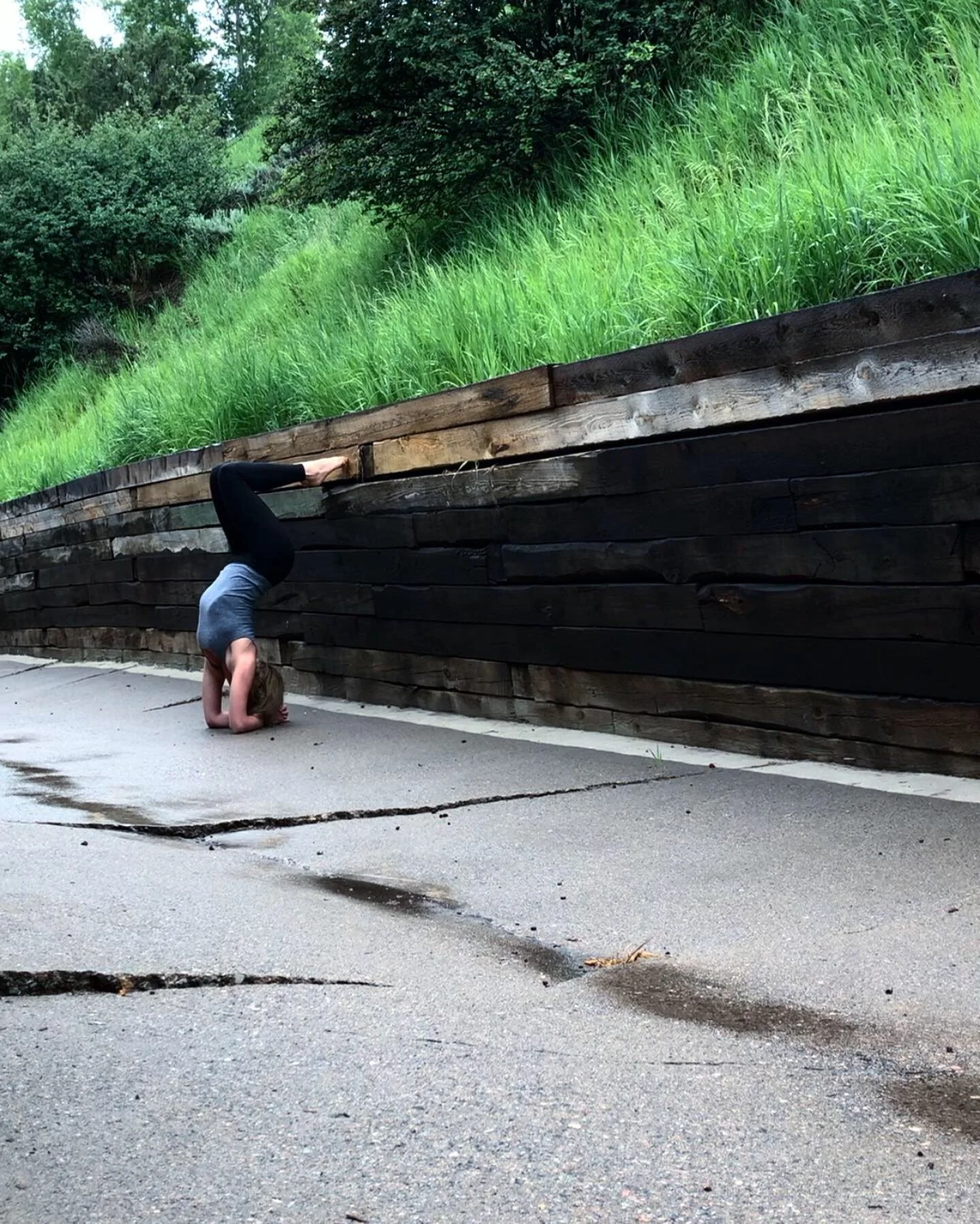

Morgan’s Approach to Yoga & meditation is rooted in a Deep Ecology worldview, weaving ayurveda, Samkhya Yoga, And Daoyin into a living embodied practice. Her pedagogy centers trauma resilience and recovery - approached through an ecological understanding of the interconnection of life.
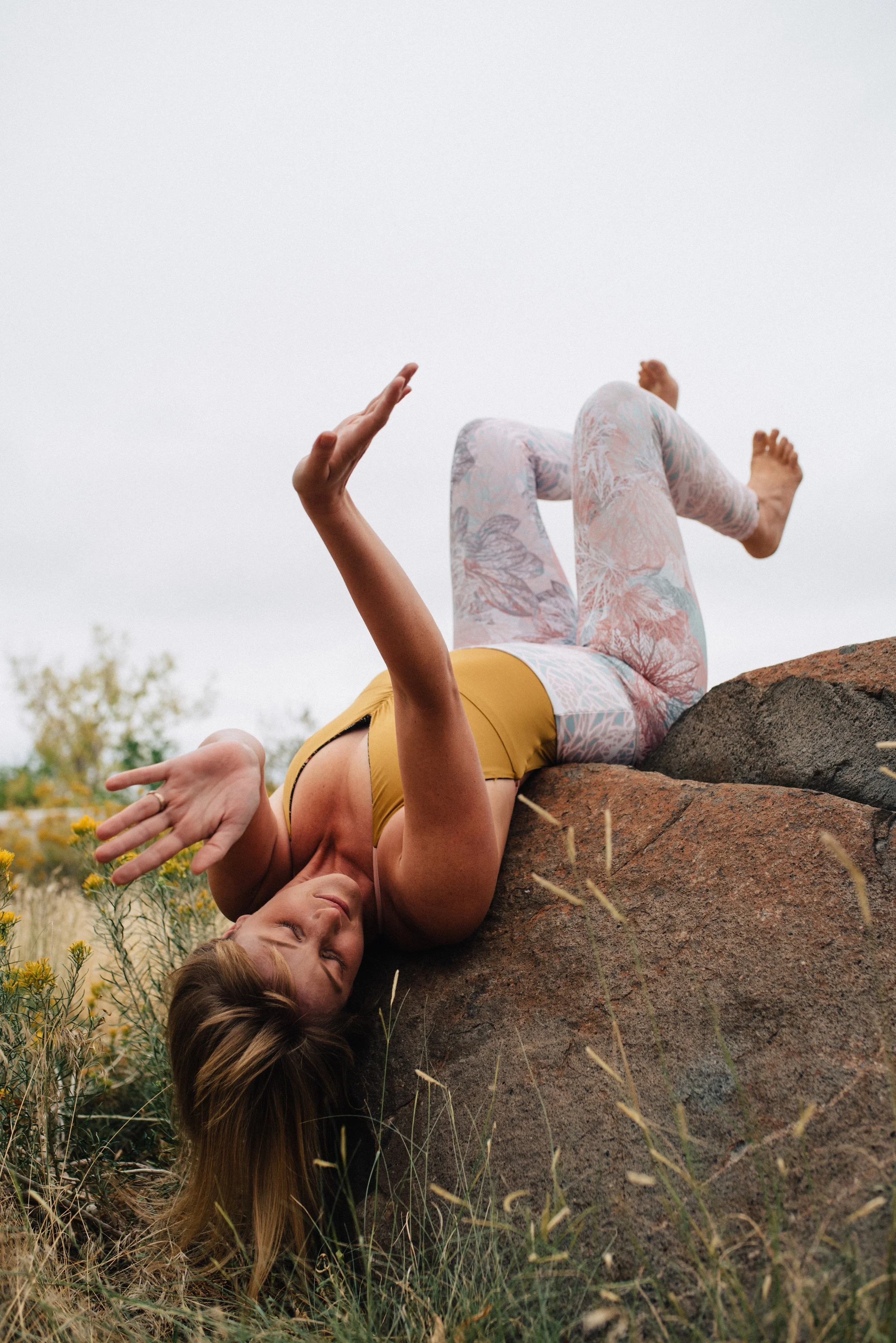
Threads of Being Yoga
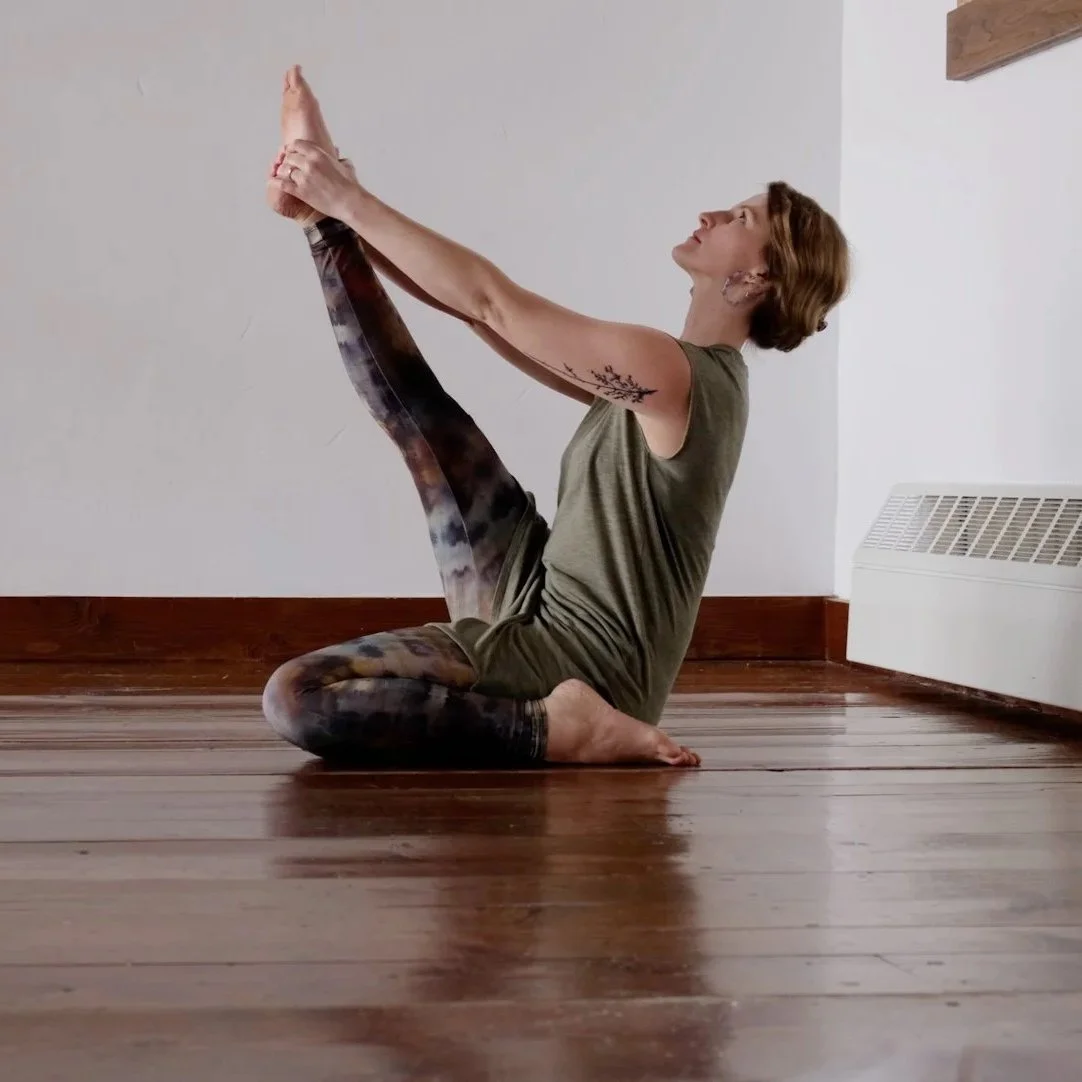
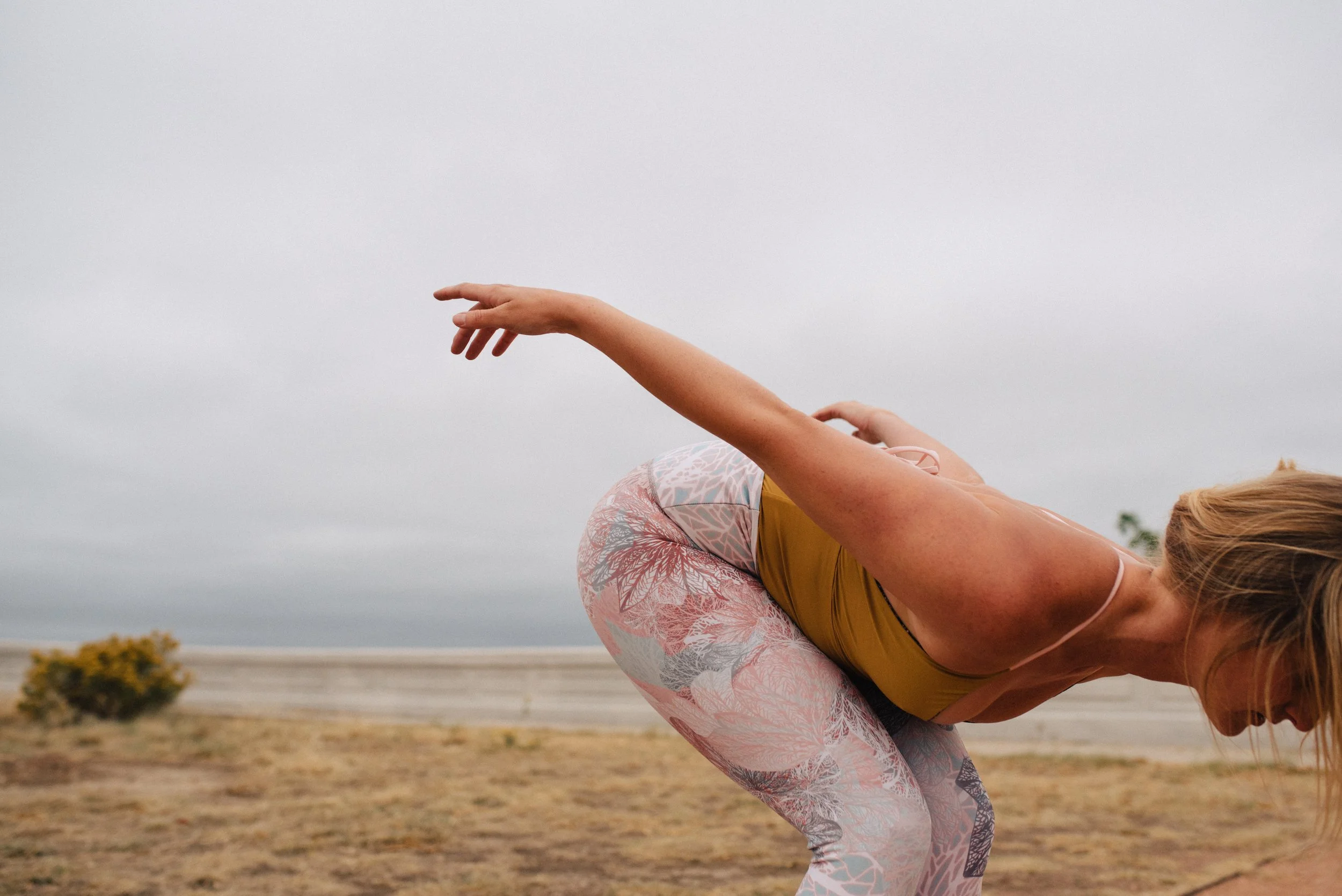
Threads of Being Yoga is a fluid, dance-inflected Vinyasa practice guided by rhythm, breath, and sensation. Movement unfolds as a continuous current—graceful, expressive, and grounded—inviting students to soften, circulate, and reorganize from the inside out. Each session encircles an ecological theme integrating natural laws, systems thinking, and neuroscience into the practice. Together, we explore how our thoughts and behaviors move through networks - building more resilient, relational, and emergent ways of engaging with self, others, and our environment.
Kitchen Yoga
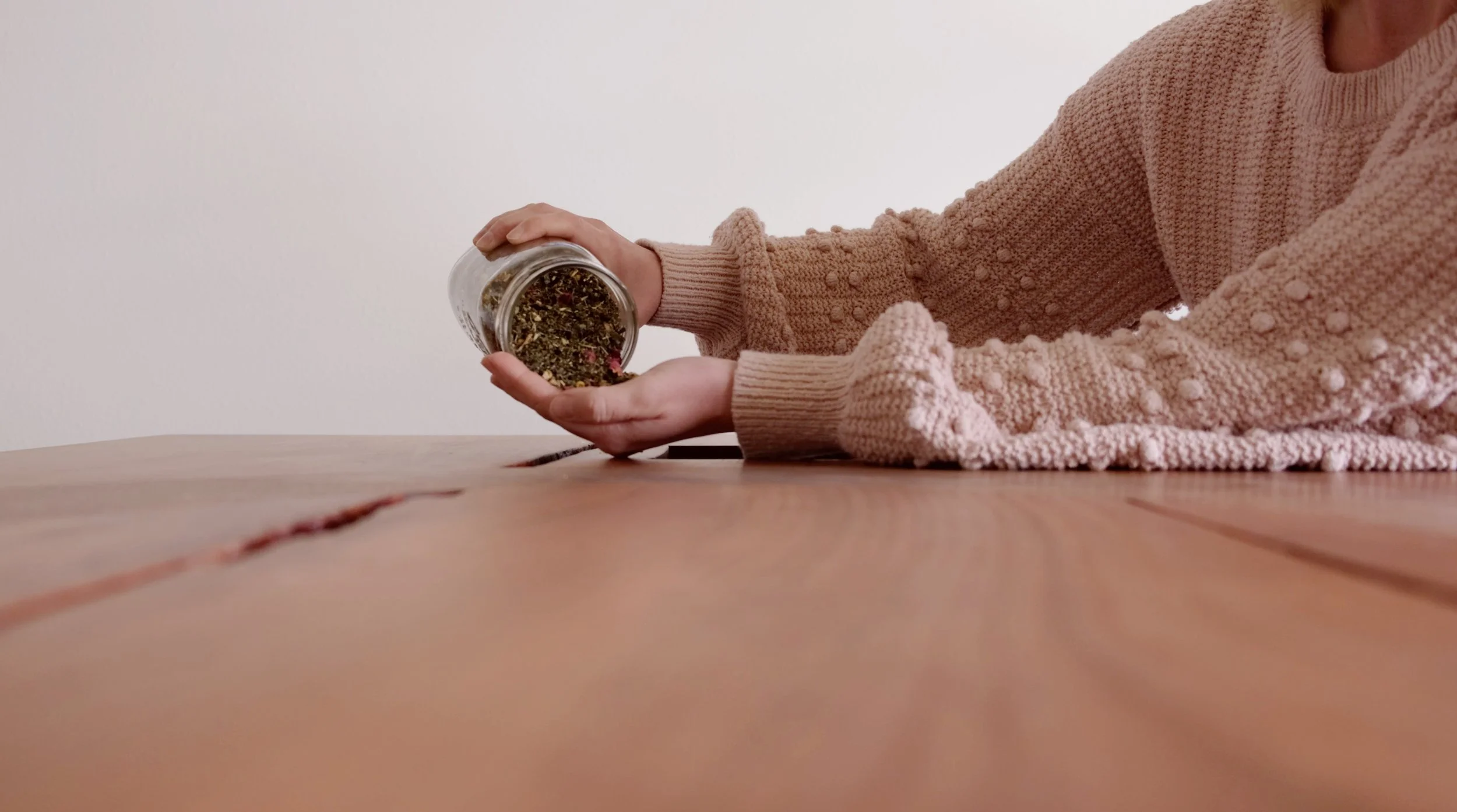
Kitchen Yoga explores India’s traditional medicine as a relational and ecological practice that fosters sustainable vitality in everyday life. With an emphasis on cultivating the practices of Dinacharya (daily routine) and Ritucharya (seasonal routine), we experience nourishment as shaped by both personal history and environmental conditions. Emphasis is placed on the implementation of a trauma informed diet, kitchen medicine, and gentle herbal formulations to support regulation, restore balance, and cultivate embodied agency.
Yoga Therapy
Yoga Therapy is a yin & restorative practice that skillfully weaves together postures, myofascial release techniques, and the therapeutic use of hot stones. This practice focuses on the muscle tissue as a portal to nervous system regulation and trauma resilience and recovery. Movement is minimal and deliberate, emphasizing listening over effort. Postures are supported by props and sustained holds, allowing time for fascia to soften and reorganize.
Yoga Home
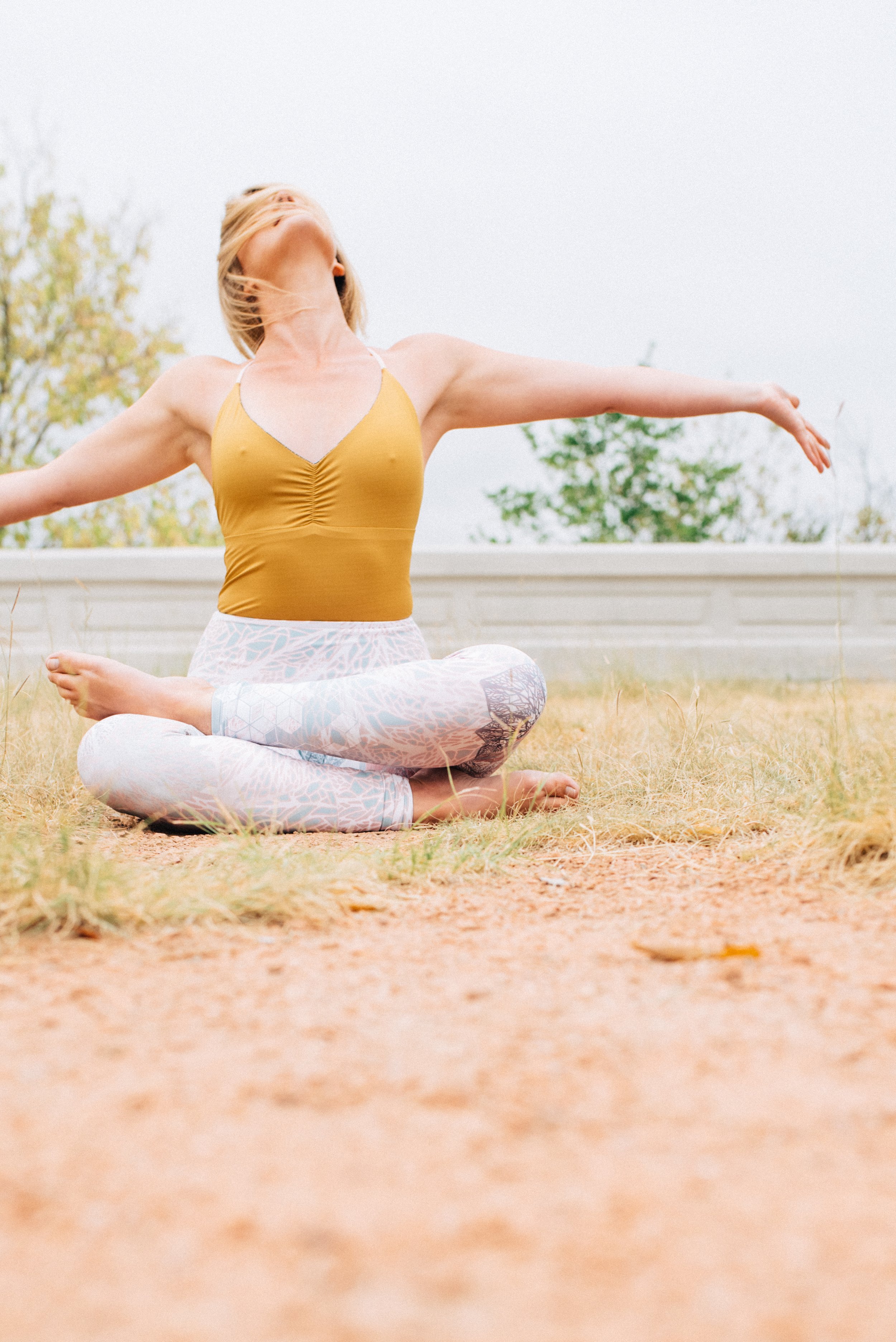
Yoga Home is about settling into the pause and kindling the light of awareness within. Morgan’s approach to meditation is gentle & somatic; rooted in Yogic & Buddhist psychology. Through the cultivation of mindfulness, concentration, and insight, we tend to necessary inner healing and transformation. Meditation is an invitation to dwell in yourself fully — to remember that home is not a place you seek, but a presence you inhabit.
Yoga Meander
Yoga Meander is rooted in the Zen tradition and the teachings of Thich Nhat Hanh, as practiced in the Plum Village community. This gentle, contemplative practice invites students to cultivate mindfulness through slow, intentional steps synchronized with the breath. Rooted in the understanding that each step can be a return to the present moment, participants are guided to touch the earth with awareness, soften the body, and rest in simplicity.
Yoga Play
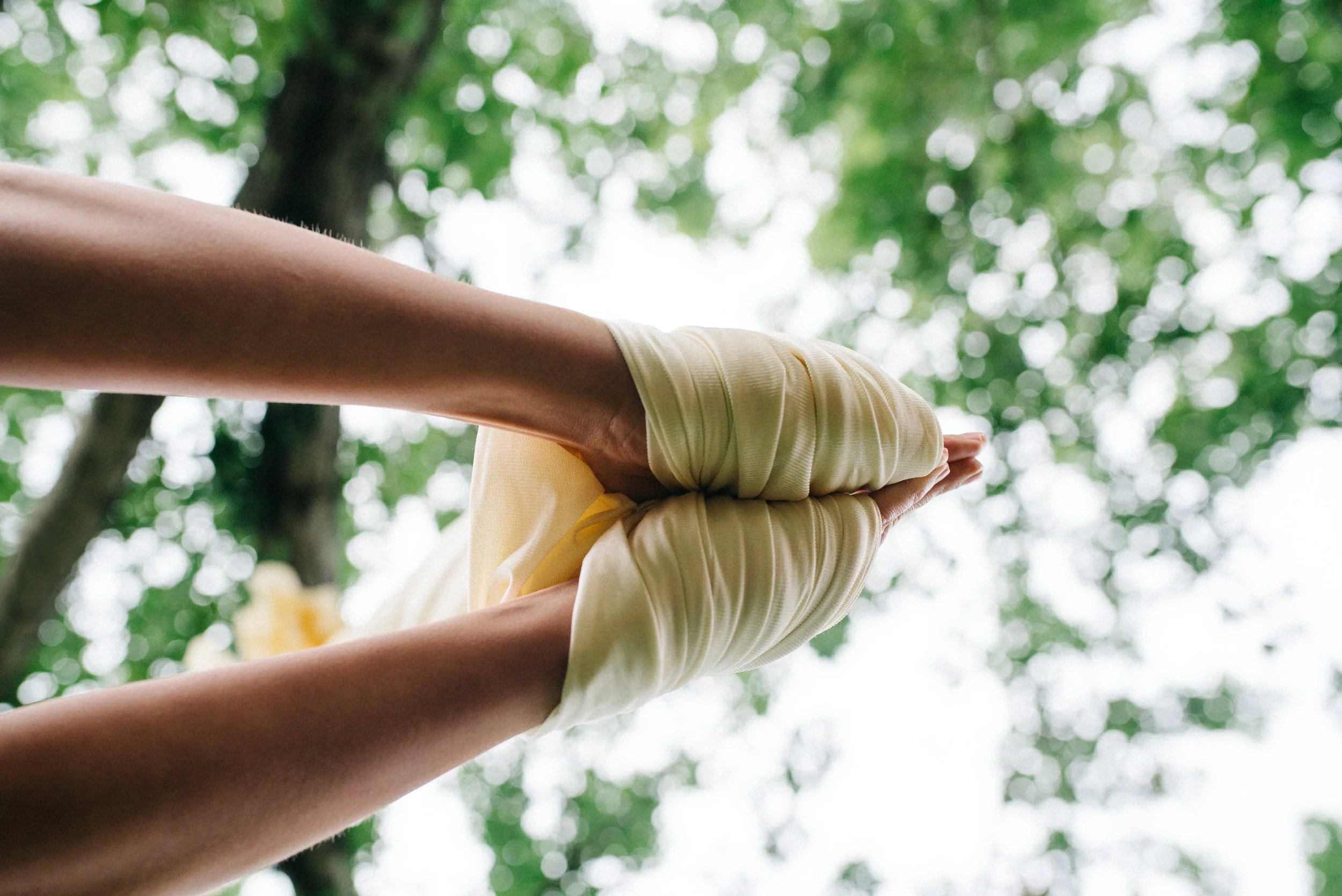
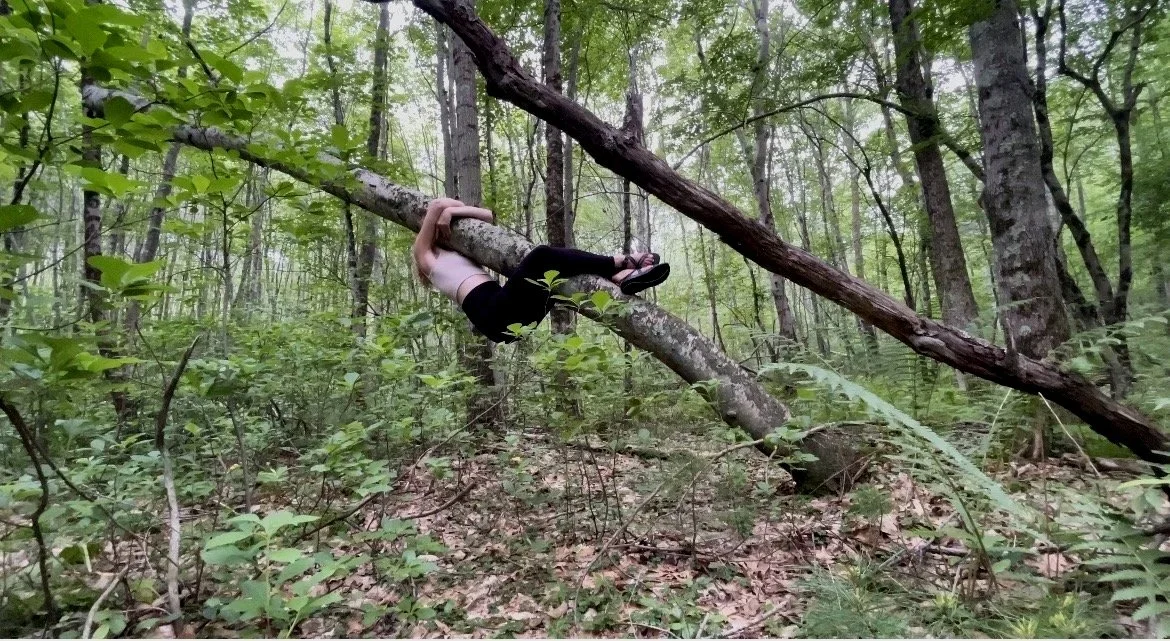
Yoga Play utilizes an aerial sling alongside other traditional and experimental props; inviting students to shape, dissolve, and explore asana through suspension, gravity, and breath. The practice treats objects as partners that offer feedback, containment, and possibility. Movement emerges through experimentation and students are encouraged to move slowly, make choices, and listen closely to how form arises and changes in relationship with support.